
How to Reduce Bruising After Lip Fillers?

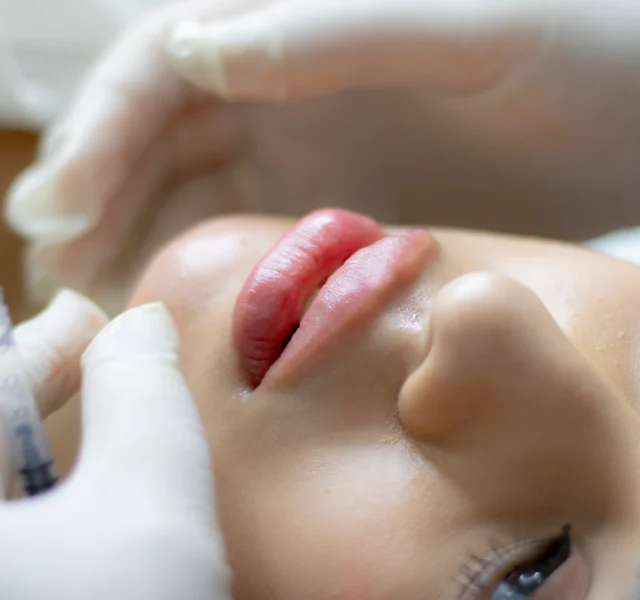
Lip filler London treatments are a popular way to achieve lip enhancement, using dermal filler injections to add volume and definition. While generally safe, it’s important to understand common side effects like swelling or bruising after receiving lip fillers, such as swelling and bruising. This article will delve into the causes, duration, and management of bruising after lip fillers, providing you with the knowledge to navigate your lip filler procedure with confidence and understand that bruising is a perfectly normal side effect.
Understanding Bruising After Lip Fillers
What Causes Bruising After Lip Filler?
Bruising after lip fillers is a common side effect resulting from injecting the filler into the delicate lip tissue. During a lip filler procedure, the needle may inadvertently disrupt small blood vessels beneath the skin, leading to bleeding and bruising that can be noticeable afterward. The likelihood and degree of bruising can vary depending on individual factors, the type of dermal filler used (typically hyaluronic acid), and the specific injection technique employed by Rupesh. Factors such as taking aspirin or ibuprofen, which thin the blood, can also increase your chances of bruising, particularly if you consume alcohol before and after treatment. Understanding these factors can help you to better prepare for your lip filler injections and potentially prevent bruising.
How Long Does Lip Filler Bruising Last?
The duration of bruising after your lip fillers can vary, but generally, Bruising after your lip fillers starts to fade within a few days and typically resolves completely within one to two weeks.. The severity of the bruising will influence how long it lasts; minor bruising may disappear quickly, while more extensive bruising may take longer to heal, potentially causing bruising worse than expected. Swelling and inflammation often accompany the bruising, contributing to the overall healing time and making it important to keep bruising to a minimum. Following proper lip filler aftercare instructions can help reduce swelling and bruising and expedite the recovery process. If bruising lasts longer than two weeks or seems to be getting worse, consult with Rupesh.
Signs of Bruising After Lip Filler Treatments
The signs of bruising after receiving lip fillers are typically noticeable within the first few days following the treatment, and may indicate the need for a treatment to reduce swelling. Initially, you might observe redness and tenderness at the injection site, which can be accompanied by swelling in your lips, so it’s important to keep bruising to a minimum. This can then progress to the development of a bruise, which may appear as a blue, purple, or even dark brown discoloration. Swelling is another common sign, often contributing to the overall discomfort and appearance of bruising. In some cases, minor pain or sensitivity may also be present, especially if you notice bruising around the injection site. Paying attention to these signs and promptly implementing strategies to help reduce bruising, such as using an ice pack, can aid in a smoother recovery. Remember, some degree of bruising and swelling is normal after lip augmentation; however, if you experience excessive pain or unusual symptoms, seek professional advice from Rupesh.
Swelling and Bruising: What to Expect
Common Symptoms of Swelling and Bruising
After undergoing a lip filler treatment, it’s common to experience swelling in your lips and bruising. These are typical side effects of injecting the filler into the delicate lip tissue. Swelling usually appears within the first few hours and can peak within a day or two, making it essential to keep bruising to a minimum. Bruising may manifest as discoloration around the injection site, ranging from light pink to dark purple. Tenderness and sensitivity are also common, contributing to the overall discomfort. Remember that the degree of bruising and swelling can vary depending on individual factors, the injection technique used, and the treatment to reduce swelling employed.
How Long Does Swelling and Bruising Last?
The duration of swelling and bruising varies from person to person, and can be influenced by the causes of bruising. Generally, swelling and bruising after your lip fillers start to subside within a few days, with most of the swelling resolving within a week. The bruising typically fades within one to two weeks, and it’s important to know if my lip filler caused any noticeable bruising. The severity of the bruise, the individual’s healing response, and adherence to aftercare instructions all play a role in how long the bruising lasts, particularly if there is bleeding and bruising. If the swelling and bruising persist beyond two weeks or if you notice that the bruising worsens, it’s important to consult with Rupesh. If you are prone to bruising or notice bruising, it’s a good idea to discuss this with Rupesh beforehand.
Managing Lip Filler Swelling and Bruising
Applying an ice pack to the treated area for 10-15 minutes at a time, several times a day, can help reduce swelling and bruising. Some people find relief from arnica, either topically or orally, which can be particularly useful if they notice bruising. There are also other ways to potentially reduce the appearance of bruising after your lip fillers:
- Avoiding blood thinners like aspirin and ibuprofen, as well as alcohol, before and after the lip filler procedure.
- Consuming pineapple, as it contains bromelain, which may help decrease bruising and swelling due to its anti-inflammatory properties, is a good idea if your lips are very vascular.
Gentle massage may help reduce swelling, but avoid vigorous exercise that increases blood flow to the face, as it may cause bruising worse than anticipated. Following Rupesh’s lip filler aftercare instructions diligently will also minimise the risk of bruising and other common side effects of dermal filler injections, especially if you notice bruising.
Preventing Bruising with Lip Filler Treatments
Tips to Prevent Bruising After Lip Fillers
To proactively prevent bruising after lip fillers, several measures can be taken to reduce the risk of bruising, including avoiding alcohol before and after treatment. Specifically, it’s important to reduce the appearance of bruising after your lip fillers by following proper aftercare.
- Inform Rupesh about any medications or supplements you’re taking, especially blood thinners like aspirin or ibuprofen, which can increase your chances of bruising.
- Avoid alcohol for at least 24 hours before the lip filler procedure, as it can thin the blood.
Additionally, applying an ice pack to the lip area before the lip filler injections can constrict blood vessels and potentially reduce the risk of bruising. Choosing a skilled and experienced aesthetics professional like Rupesh who uses precise injection techniques can also minimise trauma to the tissue and help reduce your risk of bruising after dermal filler treatment.
Using Arnica to Reduce Bruising
Arnica is a popular natural remedy believed to reduce bruising and inflammation after procedures like lip filler treatments, especially if you notice bruising. Available in both topical and oral forms, arnica is thought to help reduce swelling and promote faster healing by stimulating blood flow and reducing inflammation at the injection site. Some individuals start taking or applying arnica a few days before the lip filler procedure to help reduce bruising and swelling. While arnica is generally safe, it’s advisable to consult with Rupesh before use, especially if you have any bleeding and bruising issues or are taking other medications. While arnica may help reduce bruising, it is important to note that results vary.
What to Avoid Before and After Lip Filler Procedure
To minimise the risk of bruising after lip filler, it’s crucial to avoid certain substances and activities before and after the procedure. Specifically, you should avoid strenuous exercise and activities that may increase swelling or lead to bruising prior to your treatment.
- Avoiding alcohol and blood-thinning medications like aspirin and ibuprofen for at least 24 hours prior to receiving lip fillers can help reduce the risk of bruising.
- Avoid strenuous exercise immediately after injections to minimise the risk of swelling and bruising, particularly if you consume alcohol before and after treatment.
- Certain supplements, such as fish oil and vitamin E, are thought to reduce swelling in your lips.
Following a healthy diet and staying hydrated can also support the healing process and help reduce swelling.
Solutions to Reduce Swelling and Bruising
Effective Methods to Get Rid of Bruising
When bruising after lip fillers does occur, there are several effective methods to help reduce bruising and promote faster healing. Applying an ice pack Apply ice to the affected area for 10-15 minutes at a time, several times a day, to decrease bruising, especially since the lips are very vascular. Applying cold compresses can constrict blood vessels and help reduce swelling and bruising after a dermal filler treatment, which is especially important since the lips are very vascular.. Gentle massage around the bruised area, if recommended by your practitioner, may help improve blood flow and facilitate the absorption of the bruise. Topical creams containing vitamin K or arnica may also help reduce bruising by promoting blood clotting and reducing inflammation, especially if your lips are very vascular. Protecting your lips from sun exposure can also help prevent bruising from worsening.
How to Reduce Swelling After Lip Filler
In addition to addressing bruising, reducing swelling after lip fillers is equally important for a comfortable recovery. Continuing to apply an ice pack to the lips can help reduce swelling and inflammation. Staying hydrated by drinking plenty of water can also aid in reducing swelling in your lips. Elevating your head while sleeping can help prevent fluid from accumulating in the face. Avoid consuming excessive amounts of sodium, as it can contribute to fluid retention and swelling. Gentle massage around the treated area, as instructed by your practitioner, may help improve lymphatic drainage and reduce swelling after following lip filler treatment.
Filler Treatments: Choosing the Right Type
Selecting the appropriate type of dermal filler during your lip augmentation can also play a role in minimising swelling and bruising after lip filler treatment. Hyaluronic acid fillers are a popular choice for lip enhancement due to their natural compatibility with the body and their ability to be dissolved if necessary. Some hyaluronic acid fillers are formulated with lidocaine, a local anesthetic, which can help reduce discomfort during and after the injections. Your aesthetics professional Rupesh can assess your individual needs and recommend the most suitable dermal filler for your desired outcome while minimising the risk of bruising and other common side effects. Remember that the skill of the person injecting the filler is most important to reduce your risk of bruising. If you are prone to bruising or experience bruising, it’s a good idea to discuss this with Rupesh beforehand.

Related Lip Tips
See moreUncommon Dermal Filler Complications: Recognition and Troubleshooting Protocol
Read Article










Share