Hair Removal Laser Treatment in London
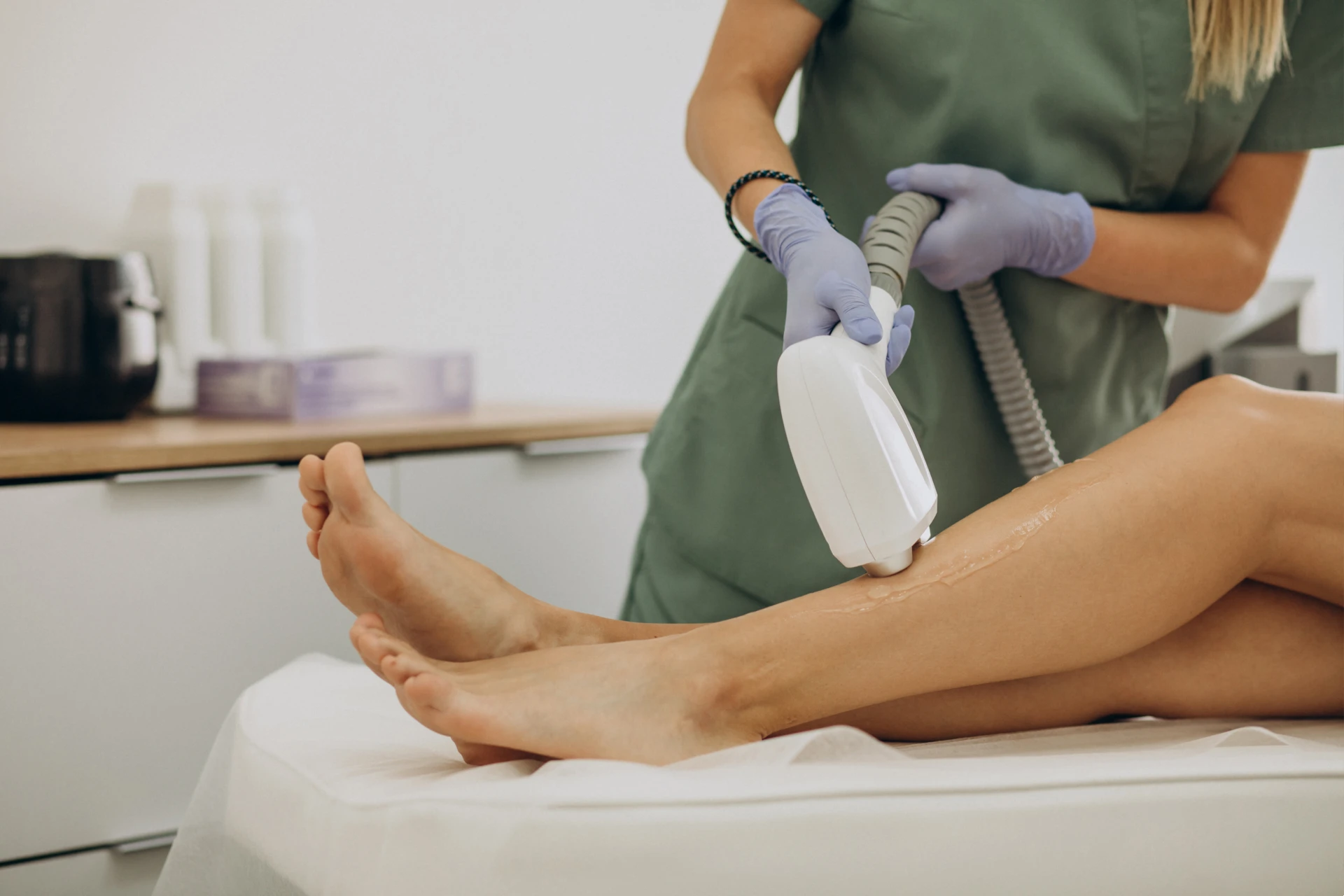
At London Lip Clinic, our expert team provides the gold standard in aesthetic care. Located in the heart of London’s premier medical district, our Harley Street clinic specialises in permanent hair reduction using the world-leading Soprano Titanium technology.
What our customers are saying
EXCELLENT Based on 132 reviews
 Posted on Google
 Nicole M. Mathieu17. October, 2025.DR. Rupesh was outstanding I’m so so happy with the results. Put me at ease and very helpful and the procedure was quick, pain free and easy ☺️Posted on Google
 Maria Trupiano16. September, 2025.I’ve been seeing Rupesh for my Botox for over 6 years now and it’s always a pleasure. Results are always amazing and Rupesh is just a wonderful person to be around - even if for 15 mins at a time. Could not recommend more!Posted on Google
 Ugo Chira15. September, 2025.Rupesh was an amazing practitioner. From when I arrived, he explained the full procedure to me making sure to highlight the after-care and what I need to do for the best results. He talked me through everything he was doing and made me feel at ease. The Botox procedure was seamless and was very quick. I told him my problem areas and he made sure to explain how this is going to help that. He was very knowledgeable and even recommended other services based on my future needs giving me the pros and cons for each one. I left very happy and I will definitely be back when I need a top up, and recommend him to everyone. Thanks a lot, Rupesh!Posted on Google
 Sarah Domingues14. September, 2025.I had an amazing experience with Dr. Rupesh at the London Lip Clinic. I had been struggling with excessive underarm sweating for a long time—it was really uncomfortable and started affecting my confidence. I tried different roll-ons recommended by my GP, but nothing worked. A friend of mine mentioned that her sister had the same issue and got treated by Dr. Rupesh with Botox for hyperhidrosis, and it worked really well for her. That gave me the push I needed to book a consultation. Honestly, I wasn’t sure if the treatment would work for me, and I was also a bit scared about the pain and the whole process. But Dr. Rupesh was incredibly patient, kind, and professional. He took the time to explain everything in detail and really helped put my mind at ease. He mentioned that results can start showing anywhere from 5 days to 3 weeks, depending on the person. For me, I noticed a difference the very next day! It’s now been 3 weeks since my treatment, and I haven’t experienced any sweating at all—I’m honestly so happy with the results. I highly recommend Dr. Rupesh and the team at London Lip Clinic. Thank you so much for looking after me!Posted on Google
 K DL11. September, 2025.This was my second visit to Rupesh the treatment of profhilo . What a brilliant treatment I see results on my first visit 4 weeks apart, I went back yesterday had my 2nd lot . I must say I can’t wait to see my results it gets better in time .My face looks fresher more supple skin , this is truly a good treatment . Highly recommend . It didn’t hurt just like having Botox, not to much down time which is good. I must say Rupesh is a genius , he’s brilliant at what he does, nice mannered genuine . Thank you 🙏 I be back for my lips soonPosted on Google
 s bog15. August, 2025.Rupesh is an amazing man and practitioner. He takes such good and skilled technical care with treatment and is generous in tweaking results later and so achieves the best result of any such doctor I have had anywhere in the world. But it is the human being who so readily comes through that makes him especially good at his craft and with his patients. I have been seeing Rupesh for well over two years now and have gotten to know him as a person. He is dedicated to his parents, to his family and thoughtful about life, how to raise children, how others feel and how he can help them. An authentic and skilled man. Thank you Rupesh - this review was long-planned but well overdue.Posted on Google
 Colette Blair14. August, 2025.Rupesh makes you feel relaxed and comfortable and is excellent at his job, ensuring you get exactly the level of improvement you desire. His honesty and professionalism ensure there is no hard sell which is unusual (and greatly appreciated) in this field. His aftercare is reassuring and informative. I wouldn’t go anywhere else again and have no doubts recommending him and his clinic.Posted on Google
 arvydas sbs10. August, 2025.satisfied with the procedure performed, thank you