
Lip Filler Swelling Stages

Lip Fillers: Swelling Stage Guide - What To Expect & Swell Timeline
Embarking on a lip filler journey involves understanding the nuances of the healing process, particularly the lip filler swelling stage. This guide provides a comprehensive overview of what to expect during each stage of swelling, helping you navigate the experience with confidence. At London Lip Clinic, our practitioner Rupesh ensures that every client is well-informed about the process, setting realistic expectations for the outcome of their lip filler treatment.
Understanding Swelling After Lip Filler
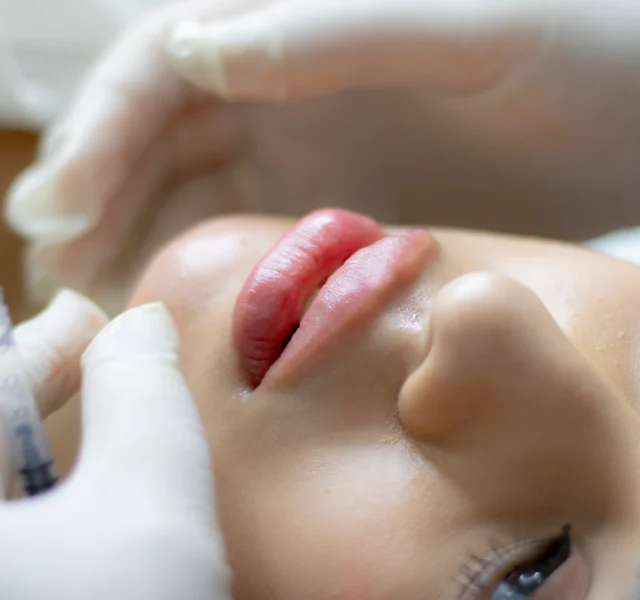
Immediately after lip filler injections, it’s common to experience swelling in the lips. This is a natural response to the filler injection and the body’s healing process. The initial swelling typically starts right after the filler procedure, with many individuals noticing an increase in swelling over the next 24-48 hours. The extent of lip swelling can vary depending on several factors, including the type of natural lip filler used, the amount injected, and individual sensitivity. Some people may experience only mild lip swelling, while others might notice more significant swelling and bruising. It’s crucial to remember that This initial swelling is temporary and part of the healing process after lip injections.
Bruising and swelling are common side effects of getting lip fillers, but there’s usually nothing to worry about. The injection process can disrupt blood flow in the delicate lip tissue, leading to swelling and bruising. To minimise swelling after filler, it’s advised to apply ice packs to the area for short periods during the first day. Our practitioner Rupesh at London Lip Clinic provides detailed aftercare instructions to help reduce lip filler swelling. These instructions may include avoiding strenuous activities and certain medications that can thin the blood and potentially increase swelling. Uneven swelling is also a possibility; one lip might swell more than the other during the different swelling stages. This is typically temporary and resolves as the body adjusts to the filler. Understanding the stages of swelling can help you manage your expectations and ensure a smoother healing process after your lip filler procedure.
Swelling Timeline: Day by Day
Navigating the days after lip fillers requires understanding the typical swelling timeline. Day 1, often referred to as lip filler day, is when the initial swelling and bruising are most pronounced, marking the beginning of the post lip filler experience. During this time, it’s essential to follow the aftercare instructions provided by London Lip Clinic to minimise swelling and discomfort. Our practitioner Rupesh emphasises the importance of gentle care and avoiding any activities that could increase blood flow to the face. As you move into the 24-48 hours following the lip filler procedure, expect the swelling in the lips to potentially increase before it begins to subside. Using cold compresses and keeping hydrated can aid in reducing lip filler swelling during this phase.
The healing process varies from person to person, but generally, after the initial 48 hours, you’ll start to see a gradual reduction in swelling after filler. It’s important to be patient, as the lip filler treatment’s final results may not be fully visible until the swelling has completely subsided, following the lip filler swelling timeline. Uneven swelling might still be present during these days, but it should continue to improve each day. By closely monitoring your progress day by day and adhering to the aftercare advice from London Lip Clinic, you can support your body’s healing process and enjoy the enhanced appearance of your lips in the weeks following your lip filler appointment.
The Swelling Stage After Lip Fillers
The swelling stage after lip fillers London is a crucial aspect of the entire lip filler treatment experience. Understanding what to expect day by day during this phase can significantly alleviate anxiety and help you make informed decisions about your aftercare. Immediately after lip filler, it’s virtually guaranteed that you’ll experience some degree of lip swelling. This swelling starts as a direct response to the filler injection and the body’s healing process. The filler procedure itself, while designed to enhance your lips, inevitably causes micro-trauma to the delicate tissues. This trauma triggers an inflammatory response, which manifests as swelling and bruising, but it’s usually nothing to worry about. The intensity of this initial swelling can vary considerably from person to person during the lip filler healing phase, with some experiencing significant improvement in the swelling by the end of week one.
Several factors influence the extent of the lip swelling after lip injections. The type of hyaluronic acid filler used plays a significant role, as different formulations have varying water-attracting properties, which can affect the degree of swelling after filler. The amount of filler injected is another critical factor; naturally, a larger volume of filler is likely to result in more pronounced swelling in the lips. Individual sensitivity also matters; some individuals are simply more prone to swelling and bruising than others. If you have a history of significant swelling with other cosmetic injection procedures or even minor injuries, you may be more likely to experience more noticeable lip filler swelling. It’s also possible to experience uneven swelling, where one lip swells more than the other after the lip filler procedure. This can be due to variations in the injection technique, anatomical differences, or simply how your body reacts to the filler injection on each side. Managing expectations is key during the swelling stage after lip fillers, and knowing that some swelling is normal can help you avoid unnecessary stress.
The body’s healing process begins immediately after the filler procedure. White blood cells rush to the treated area to initiate repair, leading to increased blood flow and fluid accumulation, which contribute to swelling and bruising. Applying cold compresses during the first 24-48 hours can help minimise swelling by constricting blood vessels and reducing lip swelling. Avoiding blood-thinning medications and supplements can also help reduce swelling and bruising. As the days after lip fillers progress, the swelling should gradually subside. The exact timeline varies, but typically, the most significant swelling occurs in the first few days, with improvement seen over the following week as the swelling lasts. While the initial swelling is resolving, it’s important to continue following aftercare instructions to support the healing process, ensuring a significant improvement in the swelling. Staying hydrated, avoiding strenuous activities, and protecting your lips from sun exposure can all aid in reducing swelling after lip filler. As the swelling diminishes, you’ll start to see the lip filler treatment’s final results emerge, revealing the enhanced shape and volume of your lips.
At London Lip Clinic, our practitioner Rupesh emphasises the importance of realistic expectations and thorough aftercare to ensure a positive experience with lip fillers. Rupesh will provide detailed instructions on how to manage the swelling stage after lip fillers, including specific recommendations for cold compresses, pain relief, and other supportive measures. Understanding the various stages of healing, knowing what to expect, and following professional advice can significantly improve your comfort and satisfaction with your lip filler appointment. If you’re concerned about excessive or prolonged swelling after lip filler, don’t hesitate to contact London Lip Clinic for guidance and support. Rupesh and the team are dedicated to helping you achieve your desired lip fullness while prioritising your safety and well-being, especially during the post lip filler recovery phase. Remember, the lip filler swelling stage is a temporary phase, and with proper care and patience, including techniques to reduce the swelling, you can confidently navigate this process and enjoy your newly enhanced lips. Understanding that some level of swelling after getting lip fillers is normal and temporary helps to manage expectations and minimise anxiety about the filler used in the process.
The injection process, although expertly performed, is an intervention that can cause swelling as the body reacts during the different swelling stages. The body’s healing process is what causes the swelling in the lips, and understanding this fact helps to be patient during the recovery period. It is important to remember that any uneven swelling typically resolves itself as the body adjusts to the filler. On filler day, it’s crucial to be gentle with your lips and avoid any activities that could exacerbate swelling. By understanding these factors and following the guidance of our practitioner Rupesh, you can navigate the swelling stage after lip fillers with confidence and achieve the beautiful, natural-looking results you desire. After the initial 24-48 hours following the lip filler procedure, the swelling starts to diminish, and your lips will settle to their final shape, revealing the lip filler results.
What Happens During the Swelling Stage?
The swelling stage is a significant part of the lip filler experience. Immediately after lip filler injections, you’ll notice swelling in the lips. This initial swelling is a natural response to the filler injection and the body’s healing process. During the swelling stage, your body is actively working to repair the micro-trauma caused by the injection process. This involves increased blood flow to the lips, which contributes to the swelling and bruising. The extent of the lip swelling The intensity of swelling can vary depending on factors like the type of filler material and individual healing responses during the lip filler healing phase. hyaluronic acid used, the amount of filler used during the lip filler injection, and your individual sensitivity. Some individuals experience only mild lip swelling. Some individuals may have more pronounced swelling or bruising than others. swelling and bruising. Uneven swelling is also possible, where one lip swells more than the other.
Understanding the stages of swelling is essential for managing your expectations and reducing anxiety. The most significant swelling typically occurs on lip filler day, when the initial effects are most pronounced, leading to questions about lip filler swelling. 24-48 hours after the lip filler injection, although some individuals experience significant swelling on lip filler day. lip swelling that can last for a few days. During this time, it’s important to follow the aftercare instructions provided by our practitioner Rupesh at London Lip Clinic to ensure optimal lip filler healing. Rupesh will guide you on how to reduce lip discomfort and reduce swelling by applying cold compresses to reduce lip filler swelling. This helps constrict blood vessels and minimise swelling. Staying hydrated, avoiding strenuous activities, and protecting your lips from sun exposure can all aid in reducing swelling after lip filler. Remember that the body’s healing process Healing takes time, and patience is key, especially when dealing with swelling or bruising. The swelling starts to subside gradually over the following days.
Day by Day Swelling Timeline
The day by day timeline of swelling after lip filler can help you anticipate what to expect during the healing process. On filler day, which is Day 1 of the lip filler swelling timeline. You’ll notice the lip filler results gradually becoming more apparent. initial swelling. Our practitioner Rupesh at London Lip Clinic recommends applying ice packs for short intervals to reduce swelling. The 24-48 hours after the lip filler injection often represent the peak of lip swelling. You might also observe some swelling or bruising during the healing process. The swelling and bruising can vary depending on factors like the type of filler material used.. During this phase, continue with the recommended aftercare, like cold compresses, staying hydrated and avoiding blood-thinning substances to reduce lip filler swelling.
As you move into the days after lip fillers, you’ll start to see a gradual improvement in swelling in the lips. Uneven swelling might still be present, but it should diminish day by day. By the end of the first week, most of the lip swelling should have subsided, and you’ll start to see the results of your lip filler treatment. However, it can take up to two weeks for the lip filler treatment’s final results to become fully visible, as part of the healing process. Remember that everyone’s experience is unique, and the exact timeline can vary. London Lip Clinic and our practitioner Rupesh can provide personalised guidance throughout the swelling stage. If you have any concerns about excessive or prolonged swelling after filler, don’t hesitate to reach out for support. At London Lip Clinic, Rupesh will ensure that you are well-informed and supported throughout your lip filler process. lip filler appointment.

Related Lip Tips
See moreUncommon Dermal Filler Complications: Recognition and Troubleshooting Protocol
Read Article










Share